If you are deciding between Palm Beach Gardens and nearby markets, you are probably asking a practical question: where will your budget, lifestyle, and day-to-day routine line up best? That choice can feel tricky because Palm Beach Gardens, Jupiter, and West Palm Beach each offer a different mix of price point, housing type, and amenities. In this guide, you will see how Palm Beach Gardens compares on the numbers that matter most so you can narrow your search with more confidence. Let’s dive in.
Palm Beach Gardens at a Glance
Palm Beach Gardens sits in the upper-middle to luxury range of Northern Palm Beach County. In Redfin’s April 2026 snapshot, the city’s all-home median sale price was $788,593, and homes took about 90 days to sell. That places it above West Palm Beach on price and above Jupiter in that specific all-home snapshot.
At the same time, Palm Beach Gardens is not simply the most expensive option in every category. The market is best understood as a polished suburban choice with a meaningful spread between detached homes and attached housing. That gives you more than one entry point, depending on your goals.
How Prices Compare Nearby
Looking only at all-home median sale prices, Palm Beach Gardens lands between West Palm Beach and the top end of nearby luxury-leaning choices. Redfin’s spring 2026 snapshots show Palm Beach Gardens at $788,593, Jupiter at $655,950, and West Palm Beach at $499,742. On the surface, that makes Palm Beach Gardens the priciest of the three in those snapshots.
But product mix matters a lot. A market with more condos and townhomes can show a lower all-home median even if its single-family homes are very expensive. That is why it helps to compare by property type, not just by one headline number.
Single-Family Home Prices
If you are focused on detached homes, Jupiter actually edges out Palm Beach Gardens in the available city-guide medians. The median single-family price is $1,050,000 in Jupiter, compared with $999,606 in Palm Beach Gardens and $634,750 in West Palm Beach.
That tells you something important. If your search is centered on single-family homes, Palm Beach Gardens and Jupiter may feel closer in pricing than the all-home medians suggest, while West Palm Beach often offers a lower-priced entry point.
Condo and Townhome Prices
Palm Beach Gardens can look more approachable when you compare attached housing. The median condo or co-op price is $392,422 in Palm Beach Gardens, compared with $550,000 in Jupiter and $414,918 in West Palm Beach. For townhouses, the medians are $429,968 in Palm Beach Gardens, $532,461 in Jupiter, and $342,475 in West Palm Beach.
For buyers who want lower maintenance or a more flexible budget range, this matters. Palm Beach Gardens offers attached options that sit below Jupiter’s type-specific medians, while West Palm Beach remains the lowest-price townhouse market of the three in the data provided.
What the Housing Mix Tells You
Price is only part of the story. The housing stock in each city shapes how the market feels and what you are most likely to find when you start touring homes.
Palm Beach Gardens has a distinctly suburban profile. Census QuickFacts shows an owner-occupied housing unit rate of 73.0%, and the city’s own statistics page reports 72.3% owner occupancy. That supports the idea of a market with a strong ownership base and a substantial supply of single-family and planned-community homes.
Jupiter is also owner-heavy, with an owner-occupied rate of 78.5%. It shares some of the same suburban DNA, but the detached-home pricing points to a stronger luxury tilt at the top end.
West Palm Beach looks different. Census QuickFacts shows an owner-occupied rate of 50.5%, and the city’s 2025 to 2029 housing plan reports a far denser mix of housing, including multifamily buildings and condos. The same plan breaks the housing stock into 39% one-unit detached, 8% one-unit attached, 9% 2 to 4 units, 13% 5 to 19 units, and 30% 20+ units.
Best Fit by Housing Style
If you are comparing these markets by feel, here is the simplest way to think about them:
- Palm Beach Gardens: suburban setting, planned communities, broad mix of single-family homes plus condos and townhomes
- Jupiter: owner-heavy and coastal, with higher detached-home pricing at the top end
- West Palm Beach: denser, more urban, and especially strong for condo and multifamily options
For many buyers, that housing mix is what narrows the search fastest. If you picture yourself in a detached home within a more suburban environment, Palm Beach Gardens and Jupiter often rise to the top. If you want more condo inventory and an urban setup, West Palm Beach usually stands out.
Lifestyle Differences Matter Too
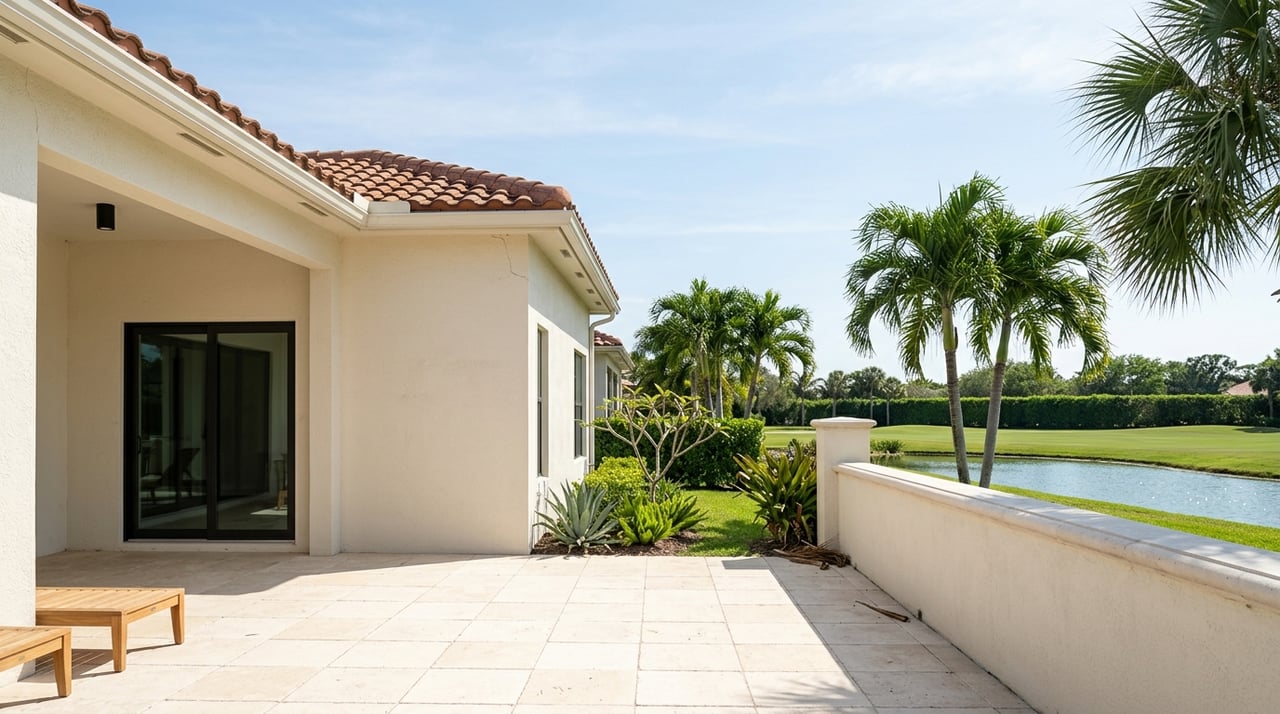
Palm Beach Gardens is shaped by golf, retail, green space, and planned neighborhoods. Redfin highlights the city’s PGA identity, Frenchman’s Forest Natural Area, golf courses, parks, restaurants, and major retail amenities. If you want an organized suburban-luxury environment with convenience built into daily life, Palm Beach Gardens checks that box well.
Jupiter leans more coastal and outdoors-focused. Redfin describes it as known for its beaches, lighthouse, and Atlantic setting, along with art galleries, museums, and music venues. For buyers who want a stronger beach-town feel, Jupiter has the clearest coastal identity of the three.
West Palm Beach offers the most urban and amenity-dense environment in this comparison. Redfin describes it as a center for nightlife, entertainment, and cultural attractions, with beaches and museums nearby. If your ideal routine includes a more city-like atmosphere and broader entertainment options, West Palm Beach may be the better match.
How Competitive Is the Market?
Palm Beach Gardens was described by Redfin as somewhat competitive, with median days on market of 90 days. Jupiter was also labeled somewhat competitive, but with a faster median of 67 days. West Palm Beach was described as not very competitive, with median days on market of 87 days.
That means Palm Beach Gardens is not necessarily the fastest-moving market in this group, even though it is one of the higher-priced ones. For buyers, that can create room for a more measured decision process. For sellers, it reinforces why pricing strategy and presentation matter.
Why Days on Market Matter
A market with a longer average selling timeline can reward precision. If you are buying in Palm Beach Gardens, you may have time to compare neighborhoods, property types, and value more carefully than in a faster-moving segment. If you are selling, the numbers suggest that strong positioning from day one is important.
That is especially true in a market where buyers can compare your home against both detached and attached alternatives. A data-driven pricing approach can help reduce unnecessary time on market and support a cleaner negotiation process.
Commute and Mobility Comparison
Commute times across these cities are fairly close. Census QuickFacts reports a mean travel time to work of 22.9 minutes in Palm Beach Gardens, 24.9 minutes in Jupiter, and 23.4 minutes in West Palm Beach. In other words, average commute time alone may not be the deciding factor.
The bigger difference is how people move around. Palm Beach Gardens and Jupiter both have bus service, but Redfin notes that neither has rail, tram, or metro stations. West Palm Beach also has bus service, but it stands apart with three heavy rail stations and a more urban transportation profile.
Who Benefits Most From West Palm Beach Transit
If you want the option to reduce car dependence, West Palm Beach has the clearest edge. Redfin reports a Walk Score of 40 and a Bike Score of 50 for West Palm Beach, with stronger transit access concentrated in central areas. A car is still useful, but West Palm Beach offers more flexibility than Palm Beach Gardens or Jupiter.
For many buyers considering Palm Beach Gardens, that is not a drawback. It simply reflects a more suburban pattern, where convenience often comes through roadway access, planned communities, and proximity to shopping and services rather than rail connectivity.
Which Market Fits You Best?
If you want a balanced suburban market with a strong ownership base, a polished residential feel, and a range of housing options, Palm Beach Gardens is a compelling middle path. It is more expensive than West Palm Beach on the broad market numbers, but it can look more accessible than Jupiter in some attached-home categories. For many relocators, that combination feels practical and aspirational at the same time.
If your priority is a coastal lifestyle and you are comfortable with higher detached-home pricing, Jupiter may be the stronger fit. If you want the lowest broad entry price, more condo density, and better transit options, West Palm Beach offers a different kind of value.
The right choice depends on what you are optimizing for. Some buyers prioritize detached-home inventory, some want lower-maintenance options, and others care most about lifestyle rhythm. The advantage of comparing these markets side by side is that you can make a decision based on evidence, not just headlines.
When you are ready to compare Palm Beach Gardens against nearby markets with a pricing strategy built around your goals, connect with The Global Real Estate LLC for clear, data-driven guidance.
FAQs
How does Palm Beach Gardens compare to Jupiter on home prices?
- Palm Beach Gardens had a higher all-home median sale price in the cited snapshot, but Jupiter had a slightly higher single-family median, which suggests property type makes a big difference when comparing the two markets.
How does Palm Beach Gardens compare to West Palm Beach for affordability?
- West Palm Beach had the lowest all-home median sale price of the three markets in the research, and it also offered lower townhouse pricing, while Palm Beach Gardens was higher-priced overall.
Is Palm Beach Gardens more suburban than West Palm Beach?
- Yes. The data shows Palm Beach Gardens has a higher owner-occupied share and a more suburban housing mix, while West Palm Beach has a denser mix with more multifamily and condo inventory.
Is Jupiter or Palm Beach Gardens better for single-family buyers?
- Both can fit single-family buyers well, but Jupiter showed the higher single-family median price, while Palm Beach Gardens offered a strong suburban mix with slightly lower detached-home pricing in the cited data.
Does West Palm Beach offer better transit than Palm Beach Gardens?
- Yes. Redfin notes that West Palm Beach has three heavy rail stations, while Palm Beach Gardens has bus service but no rail, tram, or metro stations.
How long do homes take to sell in Palm Beach Gardens?
- In the cited Redfin snapshot, homes in Palm Beach Gardens took about 90 days to sell, compared with 67 days in Jupiter and 87 days in West Palm Beach.